
Mole Removal
At Luneste, mole removal is carried out with a careful and aesthetically focused approach, whether the goal is medical treatment, cosmetic enhancement, or preventative care. Using modern, minimally invasive techniques, our specialists remove moles (also known as nevi) safely while protecting the surrounding skin, reducing the risk of scarring, and ensuring high patient satisfaction.
What Is Mole Removal?
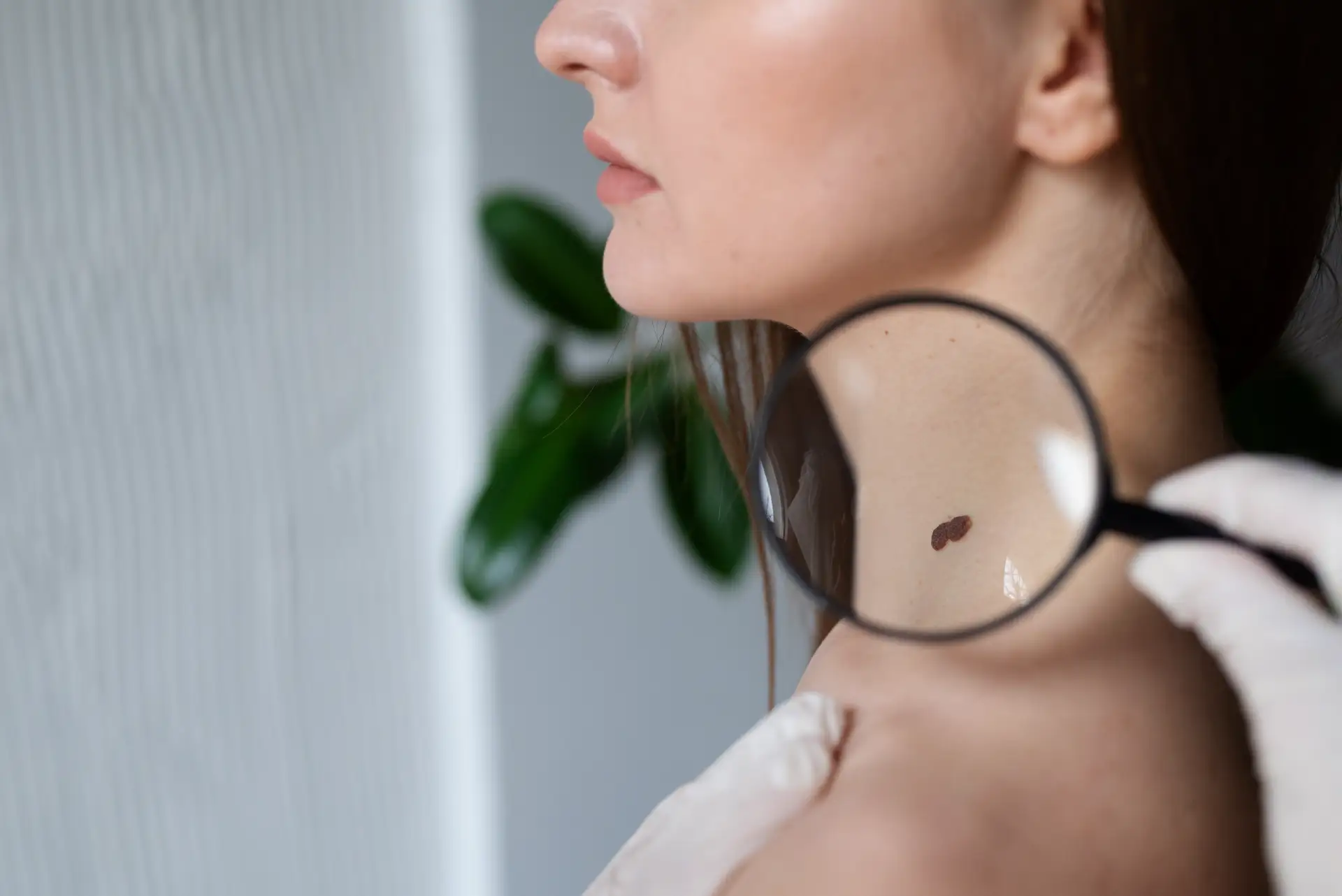
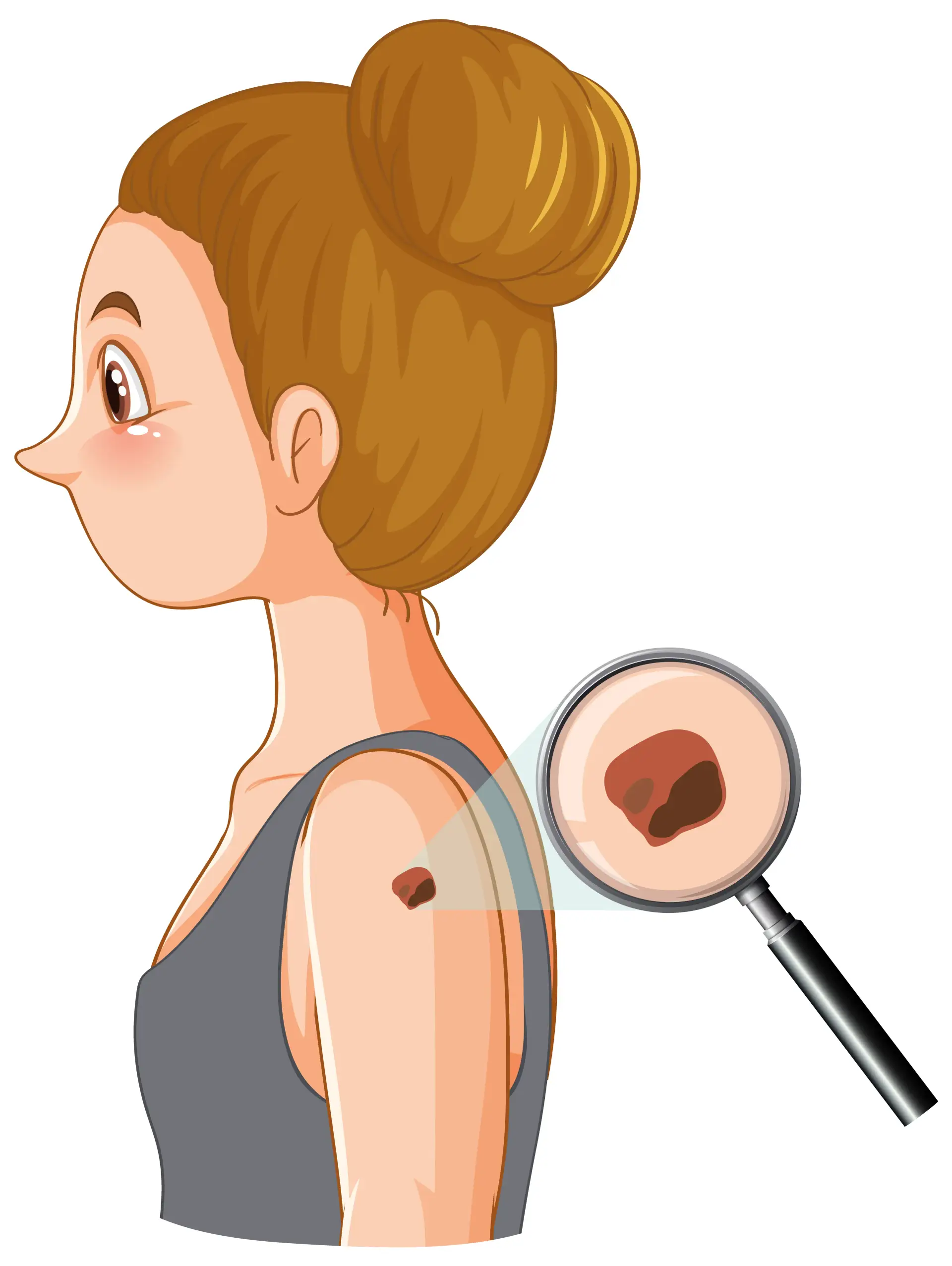
Mole removal is a dermatological treatment performed to safely eliminate unwanted or concerning skin lesions. Moles may be present from birth or develop gradually over time, and while most are benign, some can create cosmetic discomfort or require medical evaluation.
At Luneste, mole removal is completed using advanced methods such as laser treatment or surgical excision, selected based on the mole’s size, depth, location, and the patient’s expectations. Each procedure is planned with aesthetic precision, performed in sterile conditions, and focused on minimizing scarring while preserving the natural texture of the skin.
When Is Mole Removal Recommended?
Mole removal may be recommended for both aesthetic and medical reasons, especially when a mole becomes bothersome or shows signs of change. Common situations where removal is considered include:
- Cosmetic concerns, particularly for visible moles on the face, neck, or body
- Skin irritation caused by clothing, shaving, or repeated friction
- Noticeable changes in size, shape, or color that may require medical attention
- Irregular borders, bleeding, itching, or other unusual symptoms
- Personal discomfort or emotional distress related to the mole’s appearance
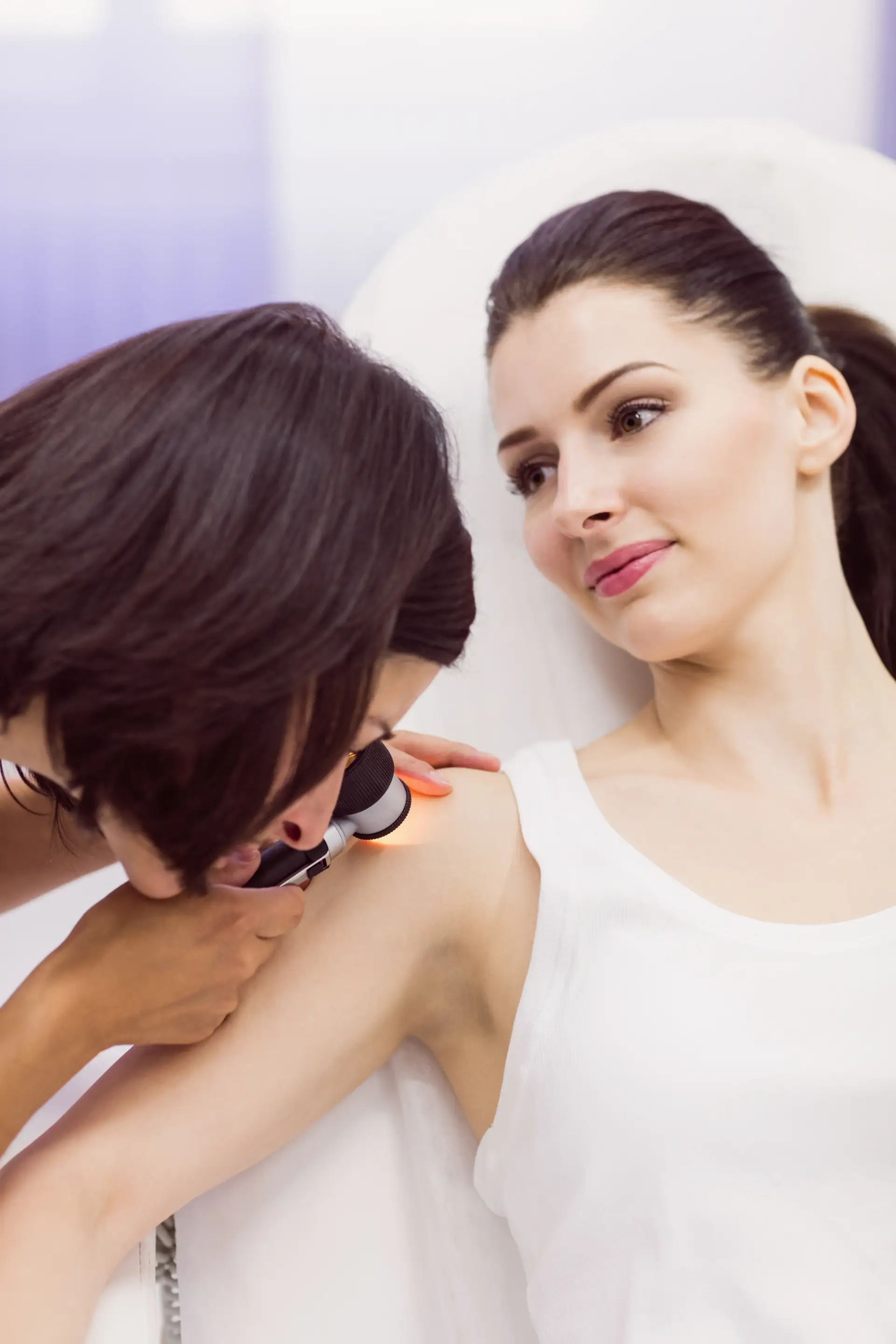
Before any removal procedure, patients receive a detailed clinical assessment or dermatoscopic examination to confirm an accurate diagnosis and ensure the safest treatment approach.
How Is Mole Removal Performed?
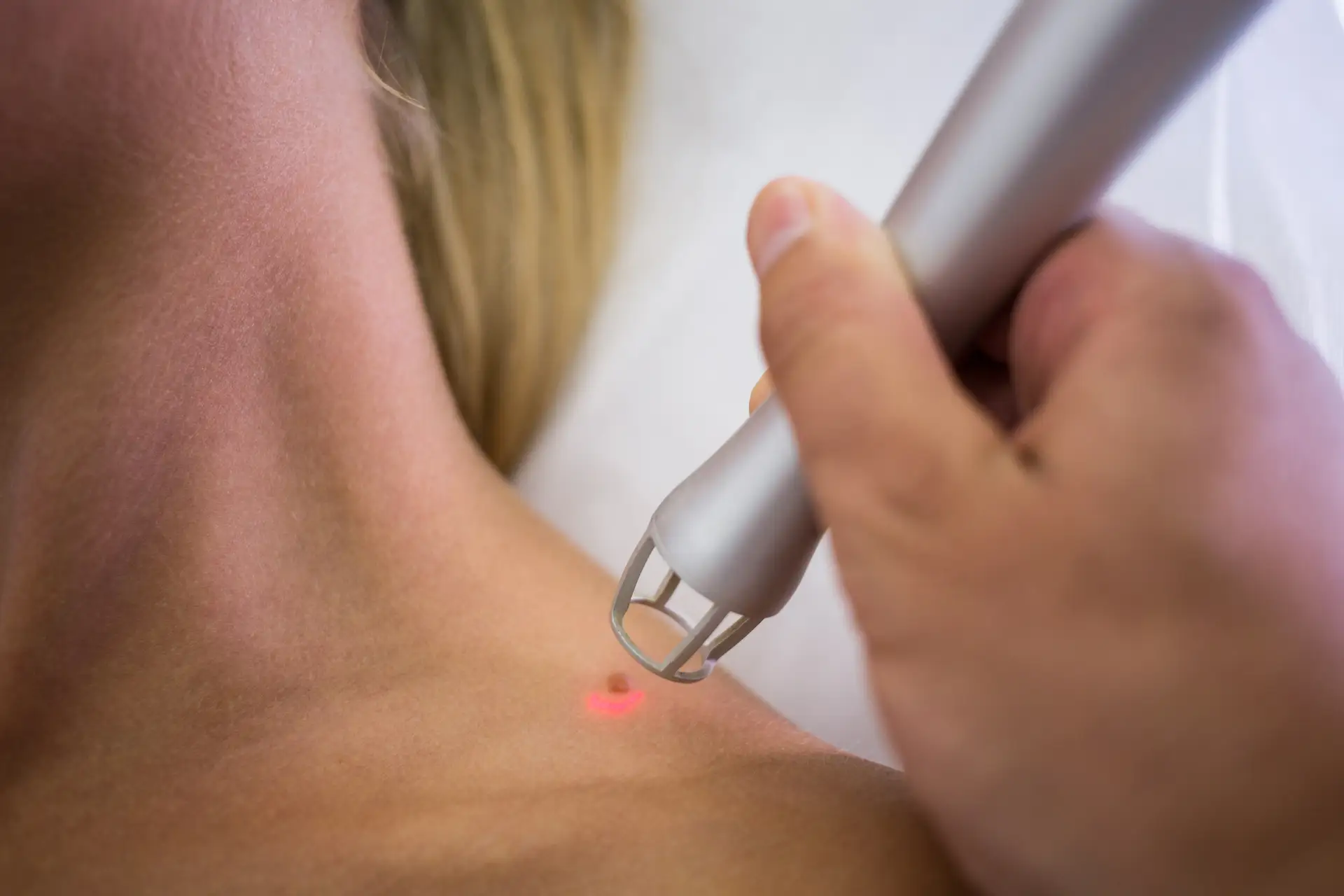
Mole removal can be carried out using different techniques depending on the mole’s size, depth, and medical characteristics. The two most common approaches include laser treatment and surgical excision:
-
Laser Mole Removal:
- Best suited for small, flat, and surface-level moles
- Performed with high-precision dermatological laser technology
- Usually involves minimal discomfort and does not require stitches
- Healing is quick with little to no downtime
- When properly cared for, scarring is minimal or often not visible
-
Surgical Excision:
- Recommended for raised, deep, large, or medically suspicious moles
- Performed under local anesthesia for patient comfort
- The mole is removed along with a small margin of surrounding skin
- Stitches may be necessary depending on the depth and location
- Removed tissue can be sent for histopathological analysis if needed
Both methods are performed safely in a clinical setting and typically take around 15 to 30 minutes to complete.
Results and Healing After Mole Removal
Recovery after mole removal is generally straightforward, with healing time depending on the technique used and the treated area of the body. Most patients experience a smooth recovery when post-procedure instructions are carefully followed.
- Healing usually takes approximately 7–14 days, depending on the removal method and skin location.
- Aftercare involves keeping the area clean, protecting it from sun exposure, and avoiding scratching or irritation.
- The final appearance of the skin gradually improves as natural tissue regeneration occurs.
- When performed by experienced specialists, the procedure typically results in minimal or barely noticeable scarring.
Why Trust Our Clinic for Mole Removal in Turkey?
Choosing the right clinic for mole removal is essential for both safety and aesthetic outcomes. Our approach combines medical expertise, advanced technology, and careful attention to skin appearance to deliver reliable and natural-looking results.
- Our dermatologists and surgeons have extensive experience in mole diagnosis, removal, and scar-reduction techniques.
- We provide both laser and surgical removal options, selected based on the mole’s size, depth, and location.
- Each mole is evaluated using dermatoscopic assessment to ensure accurate planning and safe treatment.
- Procedures are performed with an aesthetic focus, especially for visible areas such as the face and neck.
- Treatments take place in modern, accredited clinics that meet international hygiene and medical standards.
- International patients receive complete support, including multilingual coordination, VIP services, and structured aftercare guidance.
Frequently Asked Questions
Mole removal is a dermatological procedure used to remove a mole (nevus) from the skin for medical or cosmetic reasons. Dermatologists typically shave, cut, or excise the mole during a quick outpatient procedure that can also allow the tissue to be tested for skin cancer if necessary.
Moles may be removed if they change in size, shape, or color, cause irritation, or raise concerns about skin cancer. Some people also choose mole removal for cosmetic reasons if the mole affects their appearance or comfort.
Common mole removal techniques include surgical excision, shave removal, laser treatment, or cryotherapy depending on the mole’s size and type. A dermatologist selects the most appropriate method after examining the mole and determining whether a biopsy is needed.
Most mole removal procedures are quick and usually performed in a clinic using local anesthesia. The treatment itself often takes only a few minutes, although the exact time depends on the mole’s size and the chosen removal technique.
Some degree of scarring is possible after mole removal, especially if the mole is large or deeply rooted. However, when performed by a qualified dermatologist and followed by proper aftercare, scars are usually minimal and fade over time.